Injection mold manufacturing
A mold is a production tool, not a one-off part. The design has to fit the part geometry, the material, the quantity and the assembly. We plan the mold around those inputs before steel is ordered.
What we need to quote a mold
- 3D file or 2D drawing with critical dimensions
- Material and surface finish
- Estimated order quantity and annual volume
- Cavitation preference, if any
- Target sample and production dates
- Assembly interfaces and mating parts
Mold build process
- DFM review — draft, wall thickness, gate, ejectors, warp and assembly risks.
- Mold specification — cavitation, steel, runner, cooling, ejection and finish.
- Design approval — sign off before steel is cut.
- Build and T1 — sample, measure and review.
- T2 and approval — adjust and approve before production.
Tooling specifications
| Item | Range / note |
|---|---|
| Mold type | Bridge tool / production tool |
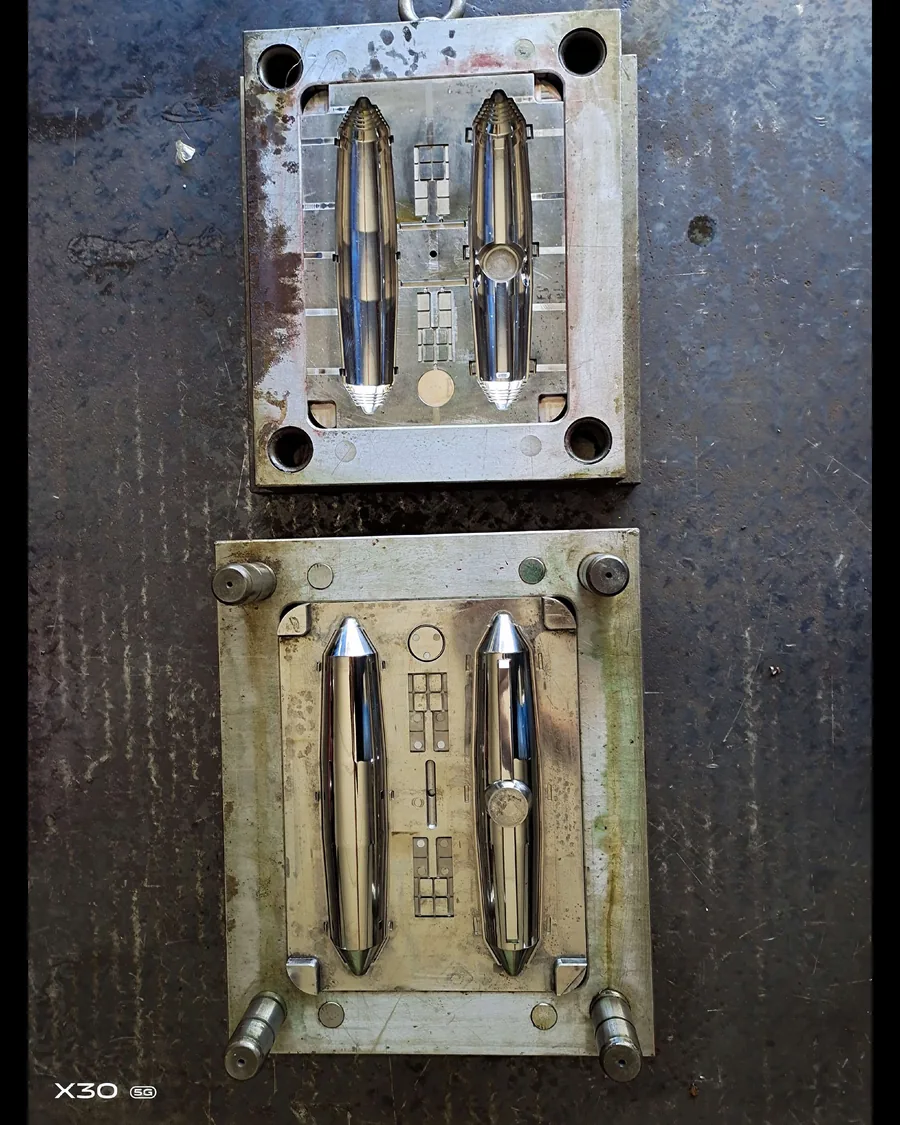
| Cavitation | 1–8 cavities (confirmed by volume) |
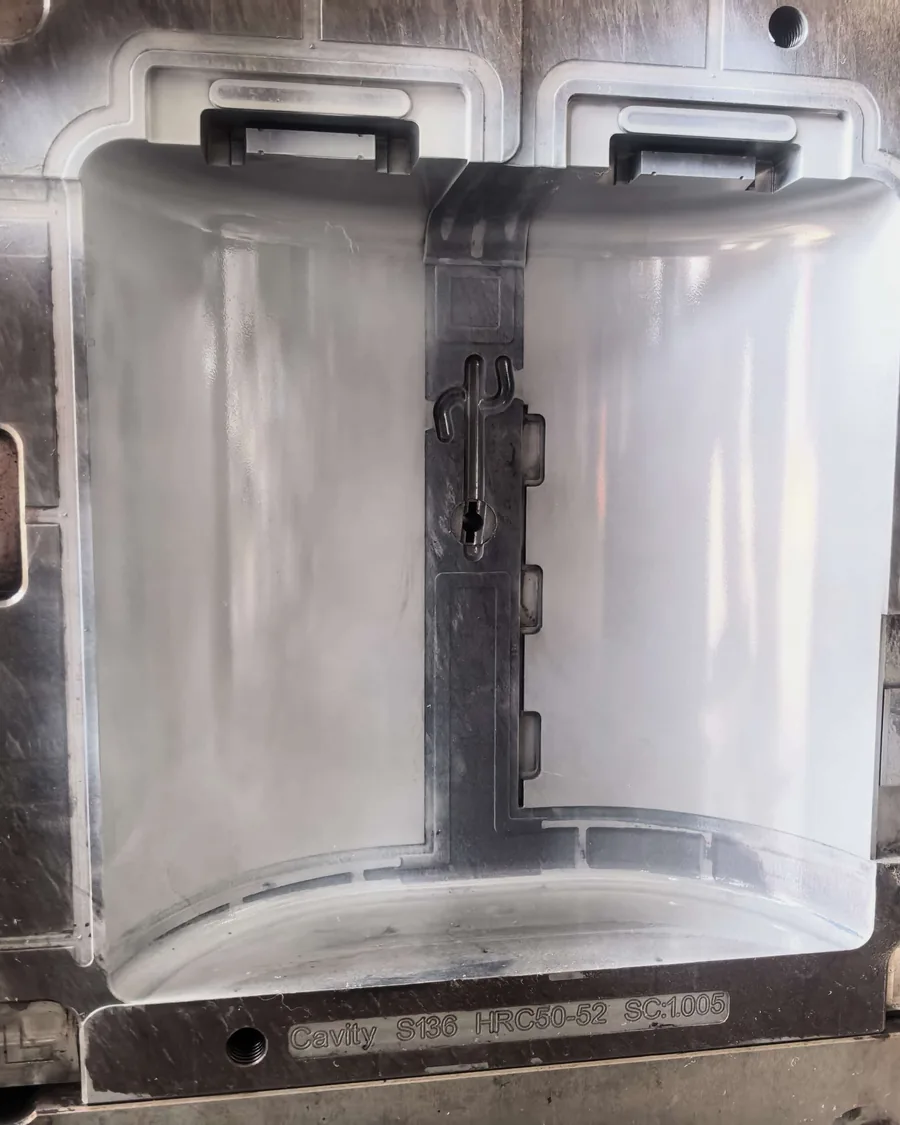
| Mold steel | S136 / H13 / 718 (selected by volume and finish) |
| Tooling lead time | 4–8 weeks after design approval |
| Mold life | 500k–1M shots (tool design dependent) |
| Tooling ownership | Agreed in the project quote |
FAQ
Can you build a bridge tool first?
Yes. A bridge tool is used for pilots and trials; a production tool can follow when the design and volume are stable.
Who owns the mold?
Tooling ownership is agreed before the work begins and confirmed in the project quote.
Can you use an existing mold?
If you have an existing mold, describe its condition and what you need from the next run. We will review suitability before quoting.
Injection mold tooling → · Custom injection molding → · Discuss your mold →